

Micro Workouts: Short Workouts for Busy Days

Why Is Starting Exercise the Hardest Part?
For most people, the hardest part of exercise isn’t the workout itself. It’s getting started.
Behavioural psychologists often refer to this as “activation energy” - the mental effort required to begin a task. The bigger, longer, or more intimidating a workout feels, the easier it becomes to delay it.
That’s why micro workouts can be surprisingly powerful. A quick workout lowers the barrier to entry. Instead of convincing yourself to complete a full gym session, you’re simply committing to moving for a few minutes.
And once you start, momentum tends to take over.
What Is A Micro Workout?
A micro workout is a short burst of intentional exercise designed to fit into a busy day. Instead of needing a full gym session, micro workouts usually take around 5–12 minutes and can be done at home, at work, outdoors, or anywhere you have enough room to move.
They can include:
- Bodyweight exercises, like squats, push-ups, lunges, or planks
- Mobility work, stretching, or movement flows
- Cardio intervals, like high knees, step-ups, or skipping
- Resistance band exercises
- Short strength circuits
- Quick movement breaks between longer periods of sitting
Micro workouts are designed to be accessible, flexible, and realistic - especially for busy professionals, beginners, parents, shift workers, or anyone returning to exercise after a long break.

What Is the Minimum Effective Dose for Exercise?
The “minimum effective dose” refers to the smallest amount of exercise needed to create a meaningful benefit. That might mean improving fitness, supporting muscle retention, increasing daily movement, building consistency, or simply helping you feel more capable of showing up again tomorrow.
For many people, especially beginners or those returning to training after a break, the threshold for progress is often lower than expected. A few short, consistent workouts each week can still help build momentum and support improvements in fitness over time.
This matters because many people assume workouts only “work” if they’re long, exhausting, extremely intense, executed perfectly, and leave you lying in a pool of sweat afterwards.
Can Short Workouts Really Work?
In fitness, more isn’t always better. Studies show that even brief bouts of exercise can improve cardiovascular health.
Short workouts can also be great for:
- Reducing mental resistance: Ten minutes feels manageable, so your brain is less likely to start negotiating.
- Improving consistency: Short workout sessions are easier to fit into busy schedules, making them easier to repeat regularly.
- Building momentum: A quick workout can create a psychological win. Once you start exercising consistently, longer sessions often feel less intimidating.
- Increasing daily movement: Even small bursts of activity can help break up long periods of sitting and contribute to your overall daily movement.
- Supporting energy and mood: Exercise stimulates endorphins, circulation, and alertness, even in short doses.

5–12 Minute Micro Workout Templates You Can Do Anywhere
Here are a few simple micro workout templates you can do at home, in the gym, outdoors, or anywhere you have enough space to move. Adjust the exercises, pace, or reps to suit your fitness level - the goal is movement, not smashing PBs.
The 5-Minute Wake-Up Circuit
Perfect for: mornings, beginners, and motivation slumps.
Perform continuously for 5 minutes:
- 10 bodyweight squats
- 10 push-ups or incline push-ups
- 20 marching high knees
- 20-second plank
Move at a steady pace and repeat the circuit until the timer ends.
The 8-Minute Lunch Break Burner
Perfect for: desk workers, busy schedules, and midday movement breaks.
Perform 40 seconds of work, followed by 20 seconds of rest, for each exercise:
- Jump squats or bodyweight squats
- Mountain climbers
- Glute bridges
- Push-ups or incline push-ups
- Reverse lunges
- Plank shoulder taps
- High knees or marching high knees
- Dead bugs
The 10-Minute Strength Snack
Perfect for: building consistency, confidence, and muscular endurance.
Complete 3–4 rounds:
- 12 squats
- 10 push-ups or incline push-ups
- 12 alternating lunges
- 15-second side plank on each side
- 15 glute bridges
Rest only as needed.
This style of short circuit training can help elevate your heart rate while challenging muscular endurance.
The 12-Minute “Can’t Be Bothered” Session
Perfect for: low-motivation days when decision-making feels like cardio.
Use an EMOM format (Every Minute On the Minute):
- Minute 1: 12 squats
- Minute 2: 10 push-ups or incline push-ups
- Minute 3: 20 mountain climbers
- Repeat for 4 rounds.
Simple. Structured. No thinking required.

Habit Stacking: The Secret Weapon for Consistent Workouts
One reason micro workouts work so well is that they pair perfectly with habit stacking.
Research on habit formation suggests small, repeatable behaviours are often easier to maintain long term than massive lifestyle overhauls.
Habit stacking means attaching a new habit to something you already do consistently. Instead of waiting for motivation to appear in a dramatic beam of sunlight, you connect movement to a routine that already exists.
For example:
- After brushing your teeth, do 20 squats
- Before your morning coffee, complete a 5-minute workout
- After work meetings, take a quick movement break
- While dinner cooks, do mobility exercises
- Before your shower, complete a short bodyweight circuit
- After closing your laptop, go for a 5-minute walk
This reduces the mental effort of deciding when to exercise. Instead of relying on motivation, you create automatic triggers that make movement part of your day.
Why Consistency Beats Intensity
One of the biggest mistakes people make with fitness is going too hard, too soon.
They start with:
- Six workouts per week
- Extreme calorie restriction
- Punishing cardio sessions
- Unrealistic expectations
- A plan that requires their entire life to magically cooperate
Then life happens. Motivation dips. Soreness hits. Schedules get busy… and the routine collapses faster than a plank at the end of leg day.
Micro workouts encourage a different mindset: show up first, optimise later.
And once exercise becomes part of your routine, increasing the duration, intensity, or complexity of your workouts becomes far easier.

Supporting Your Micro Workouts With Nutrition
Micro workouts may be short, but if they help you train more consistently, your nutrition still matters.
A few simple basics can help support your routine, especially when you’re squeezing workouts into busy mornings, lunch breaks, or post-work chaos.
Protein Powders
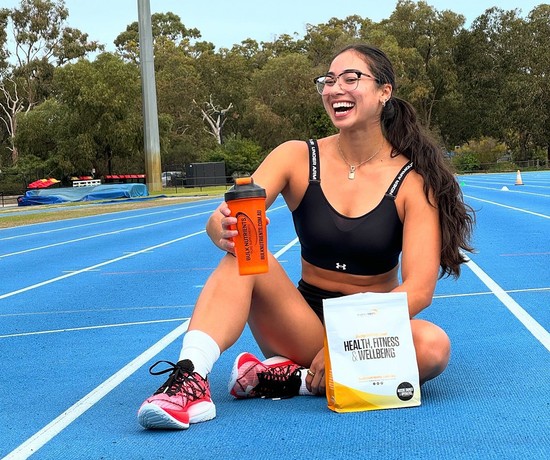
Getting enough protein each day can help support muscle recovery and daily protein targets, especially when you’re training around a packed schedule.
A quick shake like WPI or Lean Earth Protein after training can be far more practical than carrying around your meal-prepped chicken and veggies.
Creatine
Creatine Monohydrate is one of the most researched sports supplements available and may help support strength, power output, and exercise performance when used alongside regular training.
It’s also easy to add to a simple daily routine, which makes it a good fit for the micro workout mindset: low fuss, high consistency.
Electrolytes
Short workouts can still get sweaty, especially if you’re training in warm weather or doing higher-intensity intervals.
Electrolyte supplements like Hydration Salts or Electrolyte Plus may help support hydration during training, particularly when fluid and electrolyte losses are higher.

The Real Goal: Building Momentum
Micro workouts aren’t about replacing longer training sessions forever.
They’re about removing the pressure, lowering the barrier, and helping exercise feel achievable again.
Once movement becomes part of your routine, everything else can start to feel more manageable.
Most importantly, you stop waiting for the “perfect time” to start.
A 10-minute workout may not feel like much at first, but done consistently, it can help wake your routine back up.
References:
- Nystoriak MA, Bhatnagar A. Cardiovascular Effects and Benefits of Exercise. Front Cardiovasc Med. 2018 Sep 28;5:135. doi: 10.3389/fcvm.2018.00135. PMID: 30324108; PMCID: PMC6172294. https://pmc.ncbi.nlm.nih.gov/articles/PMC6172294/
- Hossain MN, Lee J, Choi H, Kwak YS, Kim J. The impact of exercise on depression: how moving makes your brain and body feel better. Phys Act Nutr. 2024 Jun;28(2):43-51. doi: 10.20463/pan.2024.0015. Epub 2024 Jun 30. PMID: 39097997; PMCID: PMC11298280. https://pmc.ncbi.nlm.nih.gov/articles/PMC11298280/
- Maksudul Shadat Akash and Shahanaz Chowdhury. Small changes, big impact: A mini review of habit formation and behavioral change principles. World Journal of Advanced Research and Reviews, 2025, 26(1), 3098-3106. https://www.researchgate.net/publication/391205475_Small_changes_big_impact_A_mini_review_of_habit_formation_and_behavioral_change_principles
- Kreider RB, Kalman DS, Antonio J, Ziegenfuss TN, Wildman R, Collins R, Candow DG, Kleiner SM, Almada AL, Lopez HL. International Society of Sports Nutrition position stand: safety and efficacy of creatine supplementation in exercise, sport, and medicine. J Int Soc Sports Nutr. 2017 Jun 13;14:18. doi: 10.1186/s12970-017-0173-z. PMID: 28615996; PMCID: PMC5469049. https://pubmed.ncbi.nlm.nih.gov/28615996/



Whey Protein Isolate
$79.00
Creatine Monohydrate
$24.00
Electrolyte Plus
$20.00