

Best Protein Powder Australia: Which Protein Is Best for Me?

What Should You Look for in a Protein Powder
Before comparing individual protein powders, it helps to know what makes them different.
Look at:
- Protein content: how much protein you get per serve or per 100g
- Protein source and amino acids: including whether it provides all nine essential amino acids and how it supports your protein needs
- Your goal: whether you’re focused on muscle growth, recovery, everyday protein intake, weight management or increasing calories
- Digestion and tolerance: including lactose content, dairy, allergens and how well the product sits with you
- Value: how much actual protein you’re getting for your money
- Taste and texture: because the protein you enjoy is the one you’re more likely to keep using
- Testing and transparency: whether the nutrition information and product claims are backed by clear, accessible testing
What matters most depends on you. A high protein percentage may be important to one person, while others may prioritise digestion, plant-based ingredients, texture or value.

WPI vs WPC: What’s the Difference?
WPI and WPC are both complete whey proteins. The main difference is how extensively they’re filtered.
Whey comes from milk and provides all nine essential amino acids your body needs from food. It’s also naturally rich in branched-chain amino acids (BCAAs), including leucine, an amino acid involved in stimulating muscle protein synthesis.
That combination makes whey a popular protein source for supporting muscle growth, muscle maintenance and recovery from resistance training. Research has found that whey can produce a strong acute muscle protein synthesis response after exercise.

Whey Protein Isolate: When Protein Percentage Matters
WPI is a high-protein option that provides all nine essential amino acids to support muscle growth, maintenance and recovery.
Additional filtration removes more lactose, carbohydrate and fat than you’d typically find in WPC, leaving a greater proportion of protein in the finished ingredient.
WPI may suit you if you:
- want a very high-protein powder
- are focused on supporting muscle growth and recovery
- want relatively little carbohydrate and fat
- prefer less lactose than you’d typically get from WPC
- like a lighter, less creamy shake
That extra filtration generally makes WPI more expensive, but for people prioritising protein percentage and a leaner nutritional profile, the difference may be worthwhile.
Prefer to avoid artificial flavours and sweeteners? Natural WPI offers the same whey isolate format with naturally flavoured and sweetened ingredients.

Whey Protein Concentrate: When Value Matters
WPC is a versatile everyday protein that combines complete whey protein with good value and a naturally creamier texture.
Like WPI, WPC provides all nine essential amino acids and is naturally rich in BCAAs, including leucine, making it a useful option for supporting muscle growth, maintenance and recovery from training.
WPC undergoes less filtration than WPI, so it generally contains slightly more lactose, carbohydrate and fat while often costing less.
WPC may suit you if you:
- want a complete everyday whey protein
- want to support muscle growth and recovery
- prioritise value for money
- don’t need to minimise lactose
- prefer a creamier shake
- use protein in smoothies, oats and recipes as well as shakes
For many people, WPC offers a practical balance of protein quality, versatility, taste and price.
Prefer to avoid artificial flavours and sweeteners? Natural WPC provides the same whey concentrate format without artificial flavours or sweeteners.

Which Protein Powder Is Best Value?
The cheapest protein powder isn’t necessarily the best value. What matters is how much actual protein you’re getting for your money.
A simple way to compare products is:
Total grams of protein in the bag ÷ price = grams of protein per dollar.
For example, if a 1kg bag contains 80g of protein per 100g, you’re getting around 800g of protein in total. Divide 800 by the current bag price to work out how many grams of protein you get for each dollar spent.
You can also reverse the calculation and compare the cost of getting 25g of protein, which can make different products easier to compare.
When doing the maths, check:
- the same bag size
- protein per 100g for the specific flavour
- the current price
- any multibuy discount you plan to use
Protein percentage can vary between flavours, while prices fluctuate over time.
And remember, value isn’t only about finding the lowest cost per gram. You might decide that lower lactose, a higher protein percentage, a plant-based formula or a particular taste and texture is worth paying more for.
That’s why there isn’t one permanent “best-value protein” - but the calculation above makes it much easier to work out which one represents the best value for you.
Casein Protein: How Is It Different from Whey?
Casein is a complete milk protein like whey, but its slower digestion provides a more gradual supply of amino acids over time.
Research has shown that casein produces a slower, more prolonged appearance of amino acids in the bloodstream than whey. This makes Micellar Casein a useful option for supporting muscle protein intake when there may be a longer gap between meals or overnight.
Research has also found that protein consumed before sleep following evening resistance exercise can support overnight muscle protein synthesis and recovery. That doesn’t mean you need casein before bed, but its slow-digesting nature makes it particularly well suited to this use.
Casein also has a noticeably thicker, creamier texture than WPI or WPC, making it ideal for protein mousse, puddings, thick shakes and recipes.
So if you’re looking for a slow-digesting, complete protein that supports muscle maintenance and recovery while delivering a thicker texture, casein fills a different role to whey rather than competing with it.

What Is the Best Plant-Based Protein Powder?
Pea, rice, soy and blended plant proteins can all help increase your daily protein intake and support muscle growth and recovery - the best option depends on your dietary needs, amino acid preferences, taste and texture.
Plant proteins naturally vary in their essential amino acid composition. Some, such as soy, provide all nine essential amino acids, while different plant sources can also be combined so their amino acid profiles complement one another.
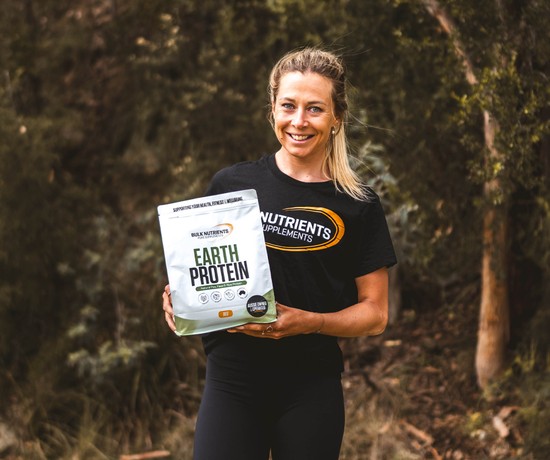
Earth Protein takes this approach by combining pea, fava bean and rice proteins in a vegan, dairy-free blend. The combination provides a broad amino acid profile while delivering a smoother, easy-mixing plant protein for shakes, smoothies and everyday use. Being dairy-free also makes it a useful alternative for people who don’t tolerate dairy-based proteins well.

Prefer a single-source plant protein?
Pea Protein provides a high concentration of protein with a useful spread of essential amino acids. It has also been studied during resistance training: a 12-week trial comparing pea protein with whey found increases in muscle thickness in both protein groups, with no significant overall difference between the two protein sources.
Rice Protein provides another vegan, dairy-free option with a different amino acid profile to pea. An eight-week study in resistance-trained men compared post-workout rice protein isolate with whey and found improvements in lean body mass, muscle thickness, strength and power over time, with no significant differences between the protein groups.
Soy Protein Isolate is a complete plant protein containing all nine essential amino acids. Research comparing soy with animal proteins during resistance training has found similar improvements in muscle strength and lean body mass, making soy another useful option for supporting muscle-building goals.
Plant proteins differ in their amino acid profiles and overall protein density, but they can still effectively support muscle growth and recovery when total daily protein intake is sufficient.
Is Collagen Protein the Same as Whey Protein?
No. Collagen is protein, but it has a very different amino acid profile from whey and isn’t considered a complete protein.
Collagen is particularly rich in amino acids such as glycine and proline but lacks the essential amino acid tryptophan.
That doesn’t make collagen a lesser protein, it just plays a different role. Collagen is a major structural protein found in skin, cartilage, tendons and other connective tissues, and hydrolysed collagen supplementation has been studied for benefits including skin hydration and elasticity and joint health and function.
Bulk Nutrients offers two main collagen options:
- Collagen Protein uses hydrolysed bovine collagen peptides and provides Types I and III collagen, making it a versatile option for people interested in skin, joint and connective-tissue support.
- Marine Collagen uses hydrolysed collagen peptides derived from fish and is predominantly Type I collagen, making it a popular alternative for people who prefer a marine collagen source.

Both can also contribute protein to your daily intake, but if your primary goal is getting a complete protein to support muscle growth and recovery, whey, casein, soy or a complementary plant protein blend would generally be the more relevant choice.
Collagen can instead sit alongside those proteins when you want the particular benefits and amino acid profile of collagen peptides.
This is also why Protein Water, which combines WPI with hydrolysed collagen peptides, isn’t nutritionally identical to straight WPI. It’s better thought of as a lighter, fruit-flavoured way to add protein when you don’t feel like another creamy shake.

Which Protein Powder Is Best for Your Goal?
The “best” protein powder can look very different depending on what you want it to help you achieve.
Someone focused on building muscle and recovering from training may prioritise complete protein and essential amino acids. Someone managing calories may care more about protein percentage and how a shake fits into their overall diet, while a lactose-intolerant or drug-tested athlete has another set of priorities again.
Here’s how the main protein options fit different goals.
Which Protein Powder Is Best for Building Muscle?
WPI, WPC, casein and quality plant proteins can all support muscle growth and recovery when they help you meet your overall protein needs.
Protein provides the amino acids your body uses to repair and build muscle after training. Complete proteins such as whey, casein and soy provide all nine essential amino acids, while well-formulated plant proteins can also provide a strong amino acid profile.
A large systematic review and meta-analysis found that protein supplementation alongside resistance training can support increases in muscle mass and strength.
Rather than searching for one “best” powder, focus on:
- training consistently
- eating enough total protein
- getting enough overall energy
- recovering adequately
- choosing a protein you enjoy and can use consistently
WPI and WPC are popular around training because they’re complete, leucine-rich whey proteins, but casein and plant proteins can also play a useful role.
Protein powder makes meeting your protein needs easier, but the training still does the heavy lifting.

Which Protein Powder is Best for Gaining Mass?
If your goal is gaining muscle and body mass, getting enough protein matters - but so does consuming enough total energy to support a calorie surplus.
If you struggle to eat enough, a mass gainer can provide a more convenient way to increase protein, carbohydrate and calories than simply adding another standard protein shake.
Muscle Food 101 is formulated with a 2:1 ratio of carbohydrate to protein, combining WPC and casein with carbohydrate sources to help fuel training and replenish energy stores while providing essential amino acids to support muscle growth and recovery.
It also contains MCTs, which provide an additional readily available source of energy.
Muscle Food 101 may be particularly useful if you:
- are actively trying to gain muscle and body mass
- struggle to consume enough calories through food alone
- want protein and carbohydrate together in one shake
- need a convenient way to increase overall energy intake around a demanding training program
A mass gainer isn’t necessarily a “better” protein powder - it simply does a different job.
For gaining mass, consistent resistance training, sufficient protein and a sustained calorie surplus still do the heavy lifting.

Which Protein Powder Is Best for Weight Loss?
No protein powder causes weight loss on its own. The best option is one that helps you meet your protein needs while fitting your overall calorie intake, diet and preferences.
Protein can be particularly useful during weight management because it helps support the maintenance of muscle mass while you’re training and managing energy intake. Higher-protein dietary approaches may also support weight management, but they still need to sit within an appropriate overall diet.
WPI is a popular option because it delivers a high percentage of protein with relatively little carbohydrate and fat. But WPC, casein and plant proteins can all fit into a weight-management plan too.
For something more specialised, Thermowhey is our dairy-based weight-management protein, combining fast-digesting WPI with slower-digesting Micellar Casein alongside additional ingredients selected to complement weight-management goals.
Prefer plant-based? Lean Earth Protein provides a vegan alternative, combining brown rice and pea proteins in a formula designed to support training, fitness and healthy weight management.
So you don’t need a specialised “weight-loss protein” to manage your weight - but if that’s your goal, products such as Thermowhey and Lean Earth Protein offer formulations built specifically with that use case in mind.

Which Protein Is Best if You’re Lactose Intolerant?
If you want whey but are trying to minimise lactose, WPI is generally the first option we’d consider. If you need to avoid dairy altogether, choose a plant protein instead.
WPI typically contains substantially less lactose than WPC because more is removed during filtration, making it a popular whey option for people with some degree of lactose sensitivity.
Protein Matrix+ offers another option. It combines WPI, WPC and Micellar Casein with added lactase - the enzyme responsible for breaking down lactose. Supplemental lactase has been shown to reduce symptoms such as bloating, abdominal discomfort and flatulence in people with lactose malabsorption.
That can make Protein Matrix+ easier to tolerate for some people who experience digestive discomfort with lactose-containing proteins, while still giving you the benefits of a complete whey-and-casein protein blend.
Individual tolerance varies, though, and neither WPI nor Protein Matrix+ is dairy-free. If you need to avoid milk proteins completely, look towards plant-based options such as Earth Protein, pea, rice or soy.

Which Protein Powder Is Best For Drug-Tested Athletes?
For drug-tested athletes, protein quality isn’t the only consideration - reducing prohibited-substance risk matters too.
HASTA WPI provides the same complete whey protein benefits as WPI, including a high protein percentage and all nine essential amino acids, with the added reassurance of independent batch testing for substances prohibited under the WADA Prohibited List.
Every certified batch is screened by HASTA before release, providing an additional layer of protection for athletes who are regularly drug tested or compete under anti-doping rules.

Which Is the Best Tasting Protein Powder?
The best tasting protein powder comes down to personal preference, but if you like a rich, creamy, milkshake-style shake, Protein Matrix+ is a strong place to start.
Its blend of WPI, WPC and Micellar Casein creates a thicker, creamier texture than a standard WPI. It mixes well with water, but also works particularly well in smoothies, oats and baking when you want a richer protein base.
Protein type naturally influences taste and mouthfeel:
- WPI tends to be lighter and less creamy
- WPC generally has a creamier texture
- Protein Matrix+ is richer and more milkshake-like
- Micellar Casein is considerably thicker
- Plant proteins have their own characteristic texture and flavour depending on the protein source
Taste is subjective, so be cautious of universal “best tasting” claims based on one person’s score. If you’re comparing proteins yourself, keep the amount of powder, liquid and mixing method consistent.
You can also adjust the amount of liquid to make a flavour stronger or more subtle. Our guide to tweaking protein flavour and sweetness explains how.
And if you’re unsure where to start, sample packs let you try different proteins and flavours before committing to a full-sized bag.

How Important Is a Protein Powder’s Amino Acid Profile?
A protein powder’s amino acid profile matters because those amino acids are what your body uses to repair, maintain and build muscle - but no single amino acid tells you the whole story.
Nine amino acids are considered essential amino acids (EAAs) because the body can’t make enough of them on its own, so they need to come from food. Whey, casein and soy provide all nine, while complementary plant proteins can be blended to create a broader essential amino acid profile.
Leucine gets plenty of bodybuilding attention because it plays an important role in stimulating muscle protein synthesis. But leucine works as part of a bigger team - your body still needs the full range of essential amino acids to build new muscle protein.
Think of it like a footy team.
Your star forward might get all the attention, but you’re probably not winning much with one bloke standing on the field by himself.
It’s also worth checking how amino acid figures are presented. Some are reported per 100g of pure protein rather than 100g of the finished flavoured powder, while others may represent typical values rather than batch-specific measurements.
So use amino acid information to understand the overall nutritional profile of a protein - not as a one-number leaderboard where the product with the most leucine automatically wins.

How Do You Know Your Protein Powder Contains What It Says?
A high protein percentage on the label only means so much if there’s no way to verify it.
At Bulk Nutrients, a rotating selection of protein products is sent to the National Measurement Institute (NMI) for independent laboratory testing, with the results published online.
This provides an additional check that the measured protein content aligns with what customers expect from the product, rather than relying on the nutrition panel or marketing claims alone.
When comparing protein powders, look for:
- transparent nutrition and ingredient information
- clearly identified protein sources
- independent laboratory testing
- recent and accessible test results
- clear allergen information
And if a brand says its protein is tested, dig a little deeper:
Who tested it? What did they test? Can you actually see the results?
Because “trust us” isn’t a testing methodology.

So, Which Protein Powder Should You Choose?
There’s no universal winner. The best protein powder is the one that matches your goals, diet, budget and preferences.
- WPI suits people prioritising a high protein percentage, lower lactose and a lighter shake.
- WPC offers complete whey protein for muscle growth and recovery, with versatility and value.
- Micellar Casein provides a slower-digesting complete protein with a thicker, creamier texture.
- Plant proteins offer vegan and dairy-free ways to support daily protein intake, muscle growth and recovery.
- Collagen provides a different amino acid profile and may suit goals around skin, joints and connective tissue.
- Protein blends Protein Matrix+, Thermowhey, Protein Water and mass gainers fill more specialised roles depending on taste, digestion, calorie needs and how you like to use protein.
And you don’t have to choose just one. Different protein powders can work together across your day depending on what you need at the time.
Compare protein content, amino acids, dietary fit, value, testing and taste - then choose what works for you.
The best protein powder isn’t the one with the fanciest label. It’s the one that does the job you need it to do.
References:
- Ji X, Ye X, Ji S, Zhang S, Wang Y, Zhou Z, Xiang D, Luo B. Whey Protein Supplementation Combined with Exercise on Muscle Protein Synthesis and the AKT/mTOR Pathway in Healthy Adults: A Systematic Review and Meta-Analysis. Nutrients. 2025 Aug 8;17(16):2579. doi: 10.3390/nu17162579. PMID: 40871607; PMCID: PMC12389377. https://pmc.ncbi.nlm.nih.gov/articles/PMC12389377/
- Wilborn CD, Taylor LW, Outlaw J, Williams L, Campbell B, Foster CA, Smith-Ryan A, Urbina S, Hayward S. The Effects of Pre- and Post-Exercise Whey vs. Casein Protein Consumption on Body Composition and Performance Measures in Collegiate Female Athletes. J Sports Sci Med. 2013 Mar 1;12(1):74-9. PMID: 24149728; PMCID: PMC3761774. https://pmc.ncbi.nlm.nih.gov/articles/PMC3761774/
- Snijders T, Trommelen J, Kouw IWK, Holwerda AM, Verdijk LB, van Loon LJC. The Impact of Pre-sleep Protein Ingestion on the Skeletal Muscle Adaptive Response to Exercise in Humans: An Update. Front Nutr. 2019 Mar 6;6:17. doi: 10.3389/fnut.2019.00017. PMID: 30895177; PMCID: PMC6415027. https://pmc.ncbi.nlm.nih.gov/articles/PMC6415027/
- Pinckaers PJM, Trommelen J, Snijders T, van Loon LJC. The Anabolic Response to Plant-Based Protein Ingestion. Sports Med. 2021 Sep;51(Suppl 1):59-74. doi: 10.1007/s40279-021-01540-8. Epub 2021 Sep 13. PMID: 34515966; PMCID: PMC8566416. https://pmc.ncbi.nlm.nih.gov/articles/PMC8566416/
- Babault N, Païzis C, Deley G, Guérin-Deremaux L, Saniez MH, Lefranc-Millot C, Allaert FA. Pea proteins oral supplementation promotes muscle thickness gains during resistance training: a double-blind, randomized, Placebo-controlled clinical trial vs. Whey protein. J Int Soc Sports Nutr. 2015 Jan 21;12(1):3. doi: 10.1186/s12970-014-0064-5. PMID: 25628520; PMCID: PMC4307635. https://pmc.ncbi.nlm.nih.gov/articles/PMC4307635/
- Joy JM, Lowery RP, Wilson JM, Purpura M, De Souza EO, Wilson SM, Kalman DS, Dudeck JE, Jäger R. The effects of 8 weeks of whey or rice protein supplementation on body composition and exercise performance. Nutr J. 2013 Jun 20;12:86. doi: 10.1186/1475-2891-12-86. PMID: 23782948; PMCID: PMC3698202. https://pmc.ncbi.nlm.nih.gov/articles/PMC3698202/
- Messina M, Lynch H, Dickinson JM, Reed KE. No Difference Between the Effects of Supplementing With Soy Protein Versus Animal Protein on Gains in Muscle Mass and Strength in Response to Resistance Exercise. Int J Sport Nutr Exerc Metab. 2018 Nov 1;28(6):674-685. doi: 10.1123/ijsnem.2018-0071. Epub 2018 Oct 26. PMID: 29722584. https://pubmed.ncbi.nlm.nih.gov/29722584/
- Paul C, Leser S, Oesser S. Significant Amounts of Functional Collagen Peptides Can Be Incorporated in the Diet While Maintaining Indispensable Amino Acid Balance. Nutrients. 2019 May 15;11(5):1079. doi: 10.3390/nu11051079. PMID: 31096622; PMCID: PMC6566836. https://pmc.ncbi.nlm.nih.gov/articles/PMC6566836/
- Ivaskiene T, Viskelis J, Streimikyte P, Savickaitė M, Mobasheri A, Kaspute G. Collagen supplementation and regenerative health: advances in biomarker detection and smart material integration. Front Nutr. 2025 Dec 11;12:1716166. doi: 10.3389/fnut.2025.1716166. PMID: 41459089; PMCID: PMC12739960. https://pubmed.ncbi.nlm.nih.gov/41459089/
- Morton RW, Murphy KT, McKellar SR, Schoenfeld BJ, Henselmans M, Helms E, Aragon AA, Devries MC, Banfield L, Krieger JW, Phillips SM. A systematic review, meta-analysis and meta-regression of the effect of protein supplementation on resistance training-induced gains in muscle mass and strength in healthy adults. Br J Sports Med. 2018 Mar;52(6):376-384. doi: 10.1136/bjsports-2017-097608. Epub 2017 Jul 11. Erratum in: Br J Sports Med. 2020 Oct;54(19):e7. doi: 10.1136/bjsports-2017-097608corr1. PMID: 28698222; PMCID: PMC5867436. https://pubmed.ncbi.nlm.nih.gov/28698222/
- Moon J, Koh G. Clinical Evidence and Mechanisms of High-Protein Diet-Induced Weight Loss. J Obes Metab Syndr. 2020 Sep 30;29(3):166-173. doi: 10.7570/jomes20028. PMID: 32699189; PMCID: PMC7539343. https://pmc.ncbi.nlm.nih.gov/articles/PMC7539343/
- Baijal R, Tandon RK. Effect of lactase on symptoms and hydrogen breath levels in lactose intolerance: A crossover placebo-controlled study. JGH Open. 2020 Dec 1;5(1):143-148. doi: 10.1002/jgh3.12463. PMID: 33490624; PMCID: PMC7812489. https://pmc.ncbi.nlm.nih.gov/articles/PMC7812489/
- Garlick PJ. The role of leucine in the regulation of protein metabolism. J Nutr. 2005 Jun;135(6 Suppl):1553S-6S. doi: 10.1093/jn/135.6.1553S. PMID: 15930468. https://pubmed.ncbi.nlm.nih.gov/15930468/



Micellar Casein Protein
$50.00
Thermowhey Protein
$62.00
Whey Protein Concentrate
$59.00
Protein Matrix+
$57.00
Whey Protein Isolate
$79.00
Earth Protein
$42.00