
Are We Over-Supplementing?

Can You Take Too Many Supplements?
Yes - over-supplementing can happen, especially when multiple products contain overlapping ingredients or are taken without a clear purpose.
But that doesn’t mean supplements are unnecessary. It just means the smartest approach is knowing which supplements provide foundational support and which are more optional depending on your goals, diet, training, and recovery needs.
For most people, supplements work best when they support strong habits like eating well, training consistently, staying hydrated, and getting enough sleep.
Supplements Should Support Your Hard Work
At Bulk Nutrients, we’ve always been realistic about supplementation.
We make supplements, obviously, and we genuinely believe they can make a huge difference when used properly. But there’s no point throwing supplements at a poor routine and hoping for magic.
Whole foods still provide the foundation of good nutrition. Training, sleep, and hydration still matter.
Supplements work best when they support those things - whether that’s making protein intake easier, helping with hydration during hard training, or supporting recovery when your routine is already on track.
That’s the key difference between strategically supporting your goals and treating supplements like a replacement for basic nutrition and recovery habits.
Foundational vs Optional Supplements
Not every supplement needs to be part of your daily routine.
Some provide broad, foundational support for active people, while others are more specialised and situation-dependent. Knowing the difference can help keep your supplement stack simpler, more effective, and a lot more cost-efficient.
Foundational Supplements
For many active people, the best supplements are often the simplest and most practical.
Foundational supplements are those that address common problems, such as supporting protein intake, hydration, fibre intake, creatine supplementation, sleep, and recovery.
These categories are useful because many people struggle to hit protein targets, stay hydrated, get enough fibre, recover well, or maintain good sleep habits consistently.
That’s where smart supplementation can genuinely help.
Optional Supplements
These are the more niche or advanced products, like stimulant formulas, performance blends, trend-driven ingredients, or products with similar formulas.
These aren’t necessarily bad, but they’re often where supplementation can become more complicated than useful.
Taking more supplements doesn’t always lead to better results. The goal is to choose what actually supports your needs, not just add more for the sake of it.

Protein Supplements: Why They’re Still One of the Most Useful Options
Protein supplements have earned their place because they’re practical, well-researched, and genuinely helpful for supporting recovery, muscle growth, and performance.
Not because protein powder is magic, but because hitting your protein needs through food alone can be tricky when life gets busy. A shake is quick, easy, and a lot more realistic than carrying a chicken breast around in your handbag.
Convenience Creates Consistency
This is where protein powders can be genuinely useful.
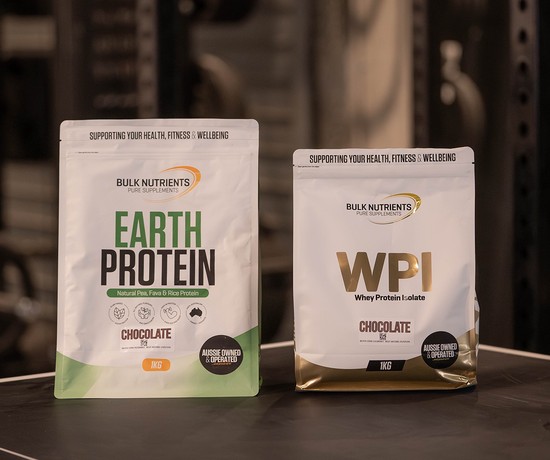
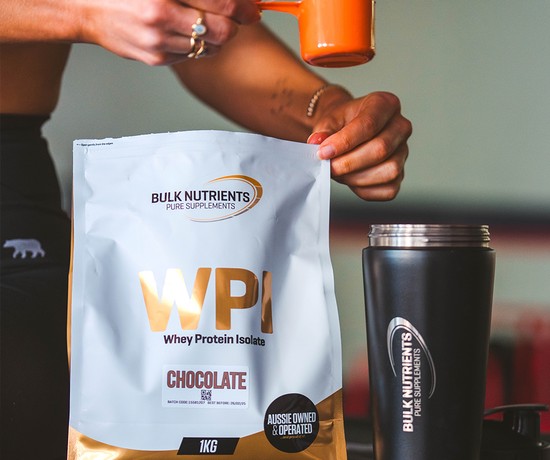
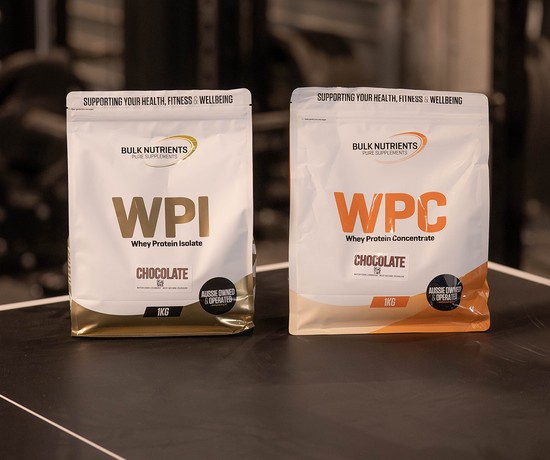
Options like WPI, Protein Matrix+, or a plant-based protein like Earth Protein can help you hit your daily protein targets when meals don’t quite get you there.
WPI is a great option for a fast-digesting, high-protein shake with minimal carbs and fats. Protein Matrix+ may suit those after a blend of protein sources, while plant-based proteins can be helpful for those avoiding dairy.
They don’t need to replace meals entirely. They just make consistency easier - and consistency is usually what drives results.
The Research Behind Protein Supplementation
Protein supplementation is backed by decades of research supporting muscle recovery, muscle protein synthesis, training adaptation, and lean muscle growth.
A 2018 meta-analysis in the British Journal of Sports Medicine found protein supplementation significantly improved muscle size and strength gains when combined with resistance training.
That’s why protein remains one of the most evidence-based and practical supplements available.

Creatine Monohydrate: Why It’s Still a Foundational Supplement
Supplement trends come and go, but creatine has remained popular for one simple reason: it works.
Research has consistently shown Creatine Monohydrate can help improve strength, power output, and high-intensity exercise performance, particularly when combined with resistance training.
A position stand published in the Journal of the International Society of Sports Nutrition concluded that creatine is one of the most effective supplements available for increasing high-intensity exercise capacity and lean body mass during training.
Simple, Effective, and Well Supported
Part of creatine’s appeal is that it’s simple.
There’s no complicated timing protocol, no massive stack required, and no need to reinvent the wheel every time social media discovers a new “secret” training hack.
A straightforward Creatine Monohydrate supplement can be an effective addition for many active people looking to support training performance and recovery, without overcomplicating their routine.
Fibre Supplements: The Forgotten Foundation
Fibre supplements can be a practical way to support digestive health and overall dietary quality when daily fibre intake falls short.
It might not be the most exciting supplement category, but fibre is easily one of the most overlooked.
Modern diets often put protein in the spotlight while fibre gets treated like the nutritional equivalent of doing your taxes - important, but easy to avoid until there’s a problem.
Why Fibre Matters
Research consistently links adequate fibre intake with better digestive health, improved satiety, and overall dietary quality, while low fibre intake has been associated with poorer gut health and lower diet quality overall.
And despite how important it is, many Australians still don’t get enough each day.
Supporting Fibre Intake When Life Gets Busy
If fibre intake is consistently low, a dedicated fibre supplement can be a simple way to support overall intake alongside a balanced diet.
Something like Tri Fibre+ may be useful when your intake from fruits, vegetables, legumes, and whole grains falls short.
Because realistically, not every day is nutritionally perfect. Some days you’ve meal prepped beautifully. Some days dinner is whatever you can throw together between work, training, and pretending you’ll fold the laundry later.
A fibre supplement simply helps support consistency on the less-than-perfect days.
Sleep and Recovery: The Performance Tool People Ignore Most
Sleep is one of the most important recovery tools available, yet it’s often the first thing sacrificed when life gets busy.
Research consistently shows sleep plays a major role in muscle recovery, cognitive performance, hormone regulation, and overall training adaptation. Poor sleep quality has also been linked to reduced recovery, impaired performance, and increased fatigue.
That makes it one of the most powerful performance tools available.
Supporting Relaxation and Recovery
Sleep support supplements can be useful, but they work best alongside good sleep habits.
Formulas containing ingredients like magnesium, glycine, theanine, and herbal extracts - such as Max Sleep - may help support relaxation and sleep quality as part of a broader recovery routine.
Because no supplement fully overrides inconsistent sleep schedules, excessive caffeine, stress, or scrolling your phone until midnight.
Supplements can support recovery. They just can’t negotiate with biology.

Hydration and Electrolytes: Why They Matter for Performance
Hydration might seem basic, but it plays a big role in how well you train, think, and recover.
When fluid and electrolyte levels drop, performance can suffer - especially during intense training, heavy sweating, or exercise in hot conditions.
Research shows even mild dehydration can negatively impact physical performance, concentration, endurance, and recovery, which is why hydration support deserves a spot in the foundations conversation.
When Electrolytes Become Useful
Water is always the foundation, but there are times when electrolyte support can be helpful.
During harder training sessions or high-sweat days, products like Hydration Salts can help support fluid balance and electrolyte replacement alongside adequate water intake.
Plain water hasn’t been fired from its job. Your needs may simply increase depending on your training, environment, and sweat rate.
The Problem With “Kitchen Sink” Stacks
Most people don’t intentionally over-supplement.
It usually starts reasonably enough: protein powder, creatine, maybe a pre-workout.
Then slowly, more gets added. Another recovery product. A nootropic formula. A sleep blend on top of another sleep blend. Multiple products with overlapping ingredients.
Before long, the stack becomes less strategic and more confusing than helpful.
Why Simpler Often Works Better
Taking excessive or overlapping supplements may increase the risk of unnecessary nutrient intake, ingredient overlap, digestive discomfort, or unwanted side effects.
But overly complicated routines are also harder to maintain consistently - and consistency almost always beats complexity.
That’s why we recommend introducing supplements gradually and assessing how each one fits into your routine before adding more.
Not every product needs to be taken at once. And not every trend needs to become part of your daily stack.

How To Build a Smarter Supplement Stack
The smartest supplement approach is usually the simplest one: build strong foundations first, add products that solve real problems, and keep your routine sustainable.
A protein shake might help if you struggle to hit protein targets. Electrolytes may be useful if hydration drops off during training. Fibre or sleep support can also have a place when they address a genuine gap.
The key is that each product should serve a clear purpose.
That’s what separates strategic supplementation from collecting tubs because the label looked exciting.
Smarter Supplementation Starts With Strong Foundations
Supplements absolutely have a place in a well-structured nutrition plan.
They can improve convenience, support performance, help fill nutritional gaps, and make healthy habits easier to maintain.
But the best results usually come from being methodical, not maximal.
Real food still matters. Sleep still matters. Hydration still matters. Recovery still matters.
The goal isn’t to take every supplement available. It’s to build a stack that genuinely supports your lifestyle, training, and goals - without overcomplicating the process.
Because sometimes the smartest supplement strategy is simply doing the basics really well.
References:
- Morton RW, Murphy KT, McKellar SR, Schoenfeld BJ, Henselmans M, Helms E, Aragon AA, Devries MC, Banfield L, Krieger JW, Phillips SM. A systematic review, meta-analysis and meta-regression of the effect of protein supplementation on resistance training-induced gains in muscle mass and strength in healthy adults. Br J Sports Med. 2018 Mar;52(6):376-384. doi: 10.1136/bjsports-2017-097608. Epub 2017 Jul 11. Erratum in: Br J Sports Med. 2020 Oct;54(19):e7. doi: 10.1136/bjsports-2017-097608corr1. PMID: 28698222; PMCID: PMC5867436. https://pubmed.ncbi.nlm.nih.gov/28698222/
- Ioniță-Mîndrican CB, Ziani K, Mititelu M, Oprea E, Neacșu SM, Moroșan E, Dumitrescu DE, Roșca AC, Drăgănescu D, Negrei C. Therapeutic Benefits and Dietary Restrictions of Fiber Intake: A State of the Art Review. Nutrients. 2022 Jun 26;14(13):2641. doi: 10.3390/nu14132641. PMID: 35807822; PMCID: PMC9268622. https://pmc.ncbi.nlm.nih.gov/articles/PMC9268622/
- Fayet-Moore F, Cassettari T, Tuck K, McConnell A, Petocz P. Dietary Fibre Intake in Australia. Paper I: Associations with Demographic, Socio-Economic, and Anthropometric Factors. Nutrients. 2018 May 11;10(5):599. doi: 10.3390/nu10050599. PMID: 29751656; PMCID: PMC5986479. https://pmc.ncbi.nlm.nih.gov/articles/PMC5986479/
- Charest J, Grandner MA. Sleep and Athletic Performance: Impacts on Physical Performance, Mental Performance, Injury Risk and Recovery, and Mental Health. Sleep Med Clin. 2020 Mar;15(1):41-57. doi: 10.1016/j.jsmc.2019.11.005. PMID: 32005349; PMCID: PMC9960533. https://pmc.ncbi.nlm.nih.gov/articles/PMC9960533/
- Judge LW, Bellar DM, Popp JK, Craig BW, Schoeff MA, Hoover DL, Fox B, Kistler BM, Al-Nawaiseh AM. Hydration to Maximize Performance and Recovery: Knowledge, Attitudes, and Behaviors Among Collegiate Track and Field Throwers. J Hum Kinet. 2021 Jul 28;79:111-122. doi: 10.2478/hukin-2021-0065. PMID: 34400991; PMCID: PMC8336541. https://pmc.ncbi.nlm.nih.gov/articles/PMC8336541/


Whey Protein Concentrate
$49.00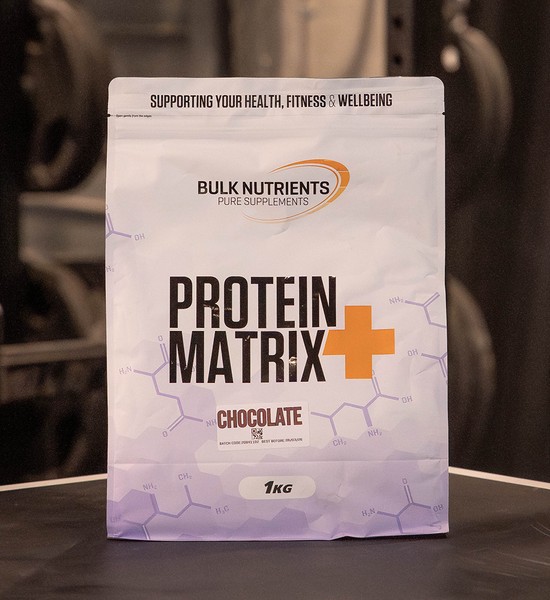
Protein Matrix+
$52.00
Whey Protein Isolate
$68.00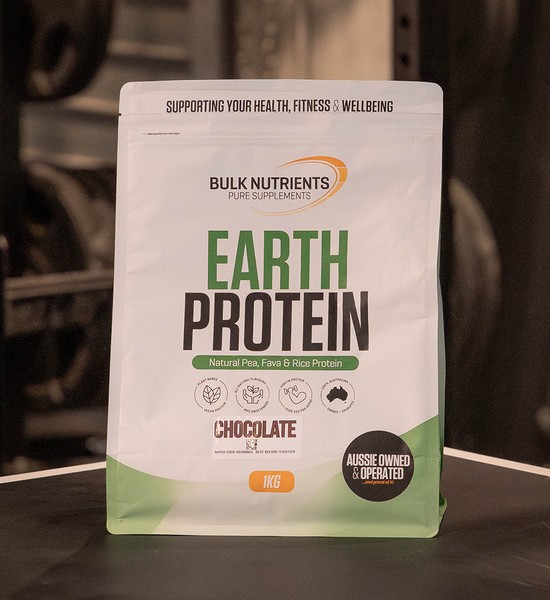
Earth Protein
$42.00