

What Makes Pre Workout 101 Effective? Ingredients Explained
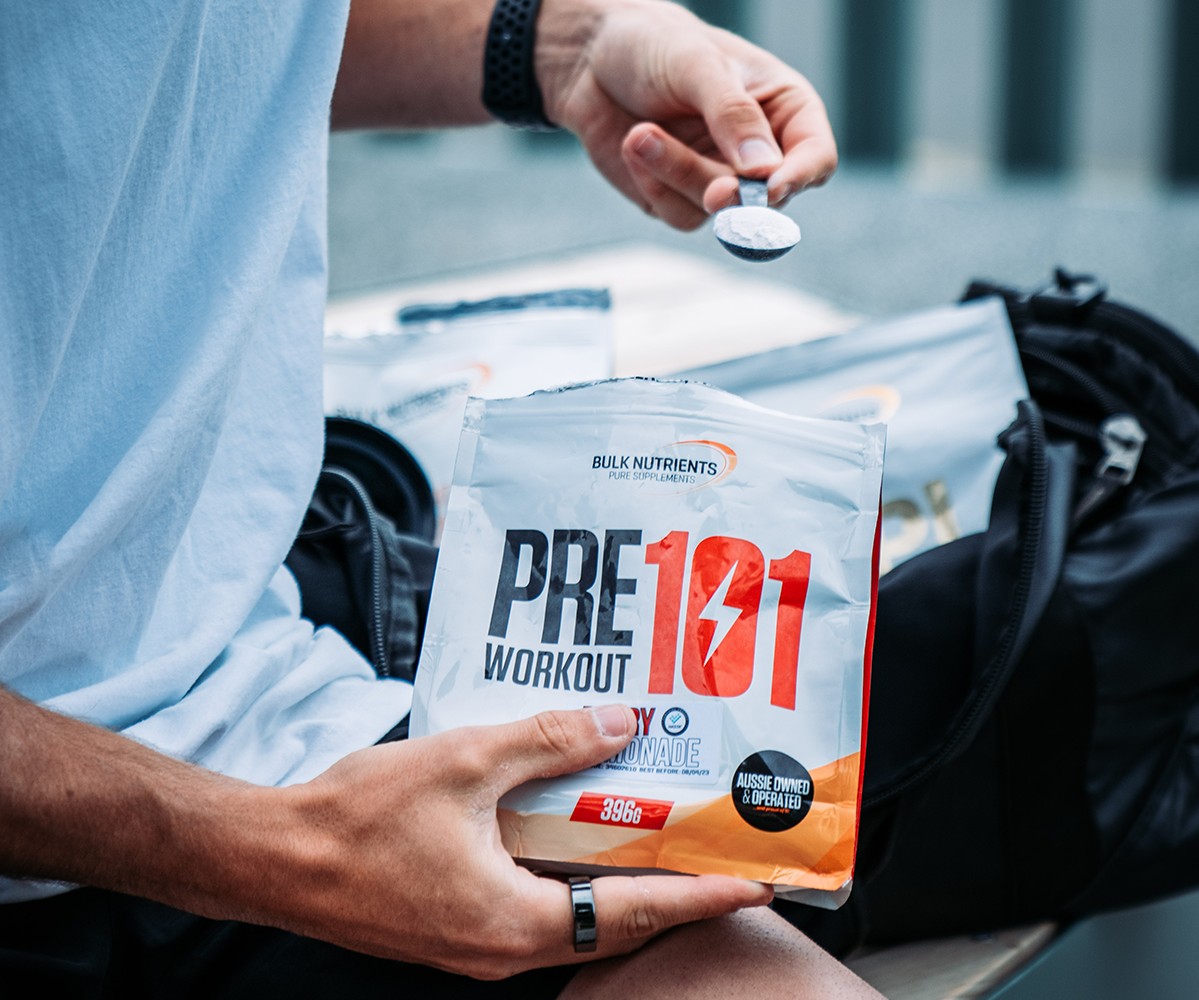
What Makes Pre Workout 101 Effective?
Rather than relying on excessive stimulation or underdosed ingredients, Pre Workout 101 is built around a combination of well-researched compounds that support performance, endurance and focus.
It’s designed as a balanced pre workout for regular training, making it suitable for consistent use across your training week.
Ingredients with Strong Evidence
Some ingredients consistently show strong support in research for improving training performance.
These form the foundation of Pre Workout 101.
Caffeine
Caffeine is a powerful supplement that enhances physical and mental performance.
Unlike beta alanine and creatine, a single dose of caffeine can increase mental focus, muscle contraction strength, endurance performance, and fatty acid oxidation while reducing the perception of fatigue and sparing muscle glycogen.
For dosing, 3-6 mg/kg is recommended 60 minutes prior to training or competition. However, in some cases, 6-9 mg/kg may be consumed with positive effects. It's worthwhile to assess tolerance with lower doses initially to measure potential side effects such as anxiety, insomnia, dizziness, irritability, and stomach discomfort.
Another important research finding is that caffeine increases metabolic rate by around 16% following a high dose (8 milligrams per kilogram of body weight). It's important to note, however, that a 16% increase in metabolic rate is unlikely to significantly improve long-term fat loss, as evidenced by previous research showing no effect on fat loss after 6 months of caffeine supplementation.
The best benefits from caffeine are likely to come from performance, strength, and focus, which are likely to improve training output and increase training volume, indirectly encouraging fat loss and muscle gain.

Creatine Monohydrate
Creatine Monohydrate is one of the most popular supplements for athletes, grounded in years of well-controlled scientific studies.
The majority of creatine stored in our muscles is in the form of phosphocreatine, a creatine molecule bound to a phosphate molecule. When this molecule undergoes hydrolysis, it releases a small packet of energy. This energy is then used to combine with ATP, the energy source for our high-intensity training efforts. A greater phosphocreatine content in the muscle creates greater potential for ATP production, especially during maximal-effort exercise.
Studies have consistently shown that supplementing with creatine (or increasing our phosphocreatine storage) can improve training performance and enhance the adaptations from that training. Other research in the supplement realm indicates that creatine can improve post-training recovery, prevent injuries, help manage body temperature, and even protect the nervous system during concussions.
Creatine supplementation may also allow you to do more work across a series of weight-training sets. Improving the volume and quality of work across multiple sets may lead to greater gains in strength, muscle, and performance. After a period of creatine supplementation, high-intensity and repetitive exercise performance can increase by up to 10-20%. Taking into account efficacy, safety, and cost, creatine is among the surest supplement bets for inclusion in a pre workout.
Beta Alanine
Beta alanine is a modified form of the amino acid alanine, and used as a performance aid primarily because of its effects on increased muscle endurance.
Supplementing daily for 4-8 weeks has been linked to improved performance during exercise lasting 1-6 minutes. Researchers have also reported that subjects can perform 1 or 2 additional repetitions in the gym when training in a range of 8-20 reps, closer to the endurance end of the repetition spectrum.
In addition, beta alanine seems to yield a mild hypertrophic effect, most likely due to increasing the training volume that can be completed in each workout session. Finally, supplementing beta-alanine may improve buffering capacity and, therefore, delay the onset of fatigue during training.
In terms of dosing protocols, 2,000 – 5,000 mg of beta alanine daily for 2-8 weeks has been shown to be effective.
One notable side effect (and possibly the most well-appreciated feature) of beta alanine is mild paresthesia – a tingling in the skin of the face and arms. However, this is harmless and can also be avoided by taking split doses throughout the day.

Ingredients with Moderate Evidence
These ingredients still offer meaningful benefits, particularly when combined in a well-rounded formula.
Citrulline Malate
Citrulline Malate is most well-known for its role in nitric oxide metabolism. Nitric oxide-mediated benefits of citrulline, as referenced in the literature, include improved athletic performance, vascular health, and even the resolution of erectile dysfunction.
In general, research supports a modest reduction in blood pressure and improved blood flow with chronic citrulline supplementation, particularly in those with hypertension and other cardiovascular conditions. Limited research suggests improvements in power output, reduced fatigue, and enhanced endurance for both aerobic and anaerobic exercise.
Many of the studies referenced have used acute citrulline supplementation, but benefits are more likely to be found from chronic supplementation. Specifically, studies that provided participants with daily citrulline supplementation for at least 1 week prior to testing showed consistent improvements in performance markers.
A recent meta-analysis also concluded that citrulline supplementation overall provided small but significant increases in exercise performance.
There's more comprehensive research supporting the nitric oxide-mediated benefits of arginine, with citrulline increasing arginine levels; thus, it’s plausible that citrulline is playing a beneficial role via this pathway.
Furthermore, some research suggests that taking citrulline results in higher, more consistent arginine levels than taking arginine alone. Citrulline is very readily converted to arginine as needed, and it is also better absorbed than arginine, which not only makes it a better source of arginine for the body but can mean a lower rate of gastrointestinal upset than arginine when taken in high doses.
Citrulline malate is the most researched form of citrulline, and there is speculation about an independent role of malate in producing performance benefits, but there's insufficient research to compare citrulline malate to L-citrulline directly.
Research recommendations suggest taking 6,000 –8,000 mg of citrulline malate about an hour before exercise for maximal performance benefits. On days that you don't exercise, it can be broken up into smaller doses. Citrulline research has no reported notable side effects, though more research is needed to confirm its long-term safety at high doses.

Branch Chain Amino Acids (BCAAs)
Branch Chain Amino Acids (BCAAs) are three specific essential amino acids – leucine, isoleucine, and valine – often claimed to yield particular anabolic, recovery, and performance benefits. Specifically, isoleucine is reported to increase glucose uptake into cells, and leucine is known to independently stimulate muscle protein synthesis.
Supplementation with BCAAs has also been shown to prevent fatigue and improve recovery among novice athletes. Exercise decreases circulating BCAAs, leading to an influx of tryptophan into the brain and the release of serotonin, which can cause fatigue. Thus, supplementing with BCAAs might prevent the decline in BCAA levels in the serum during exercise, delaying fatigue onset.
It's important to note that BCAAs are present in high doses in a variety of protein sources, particularly meat and eggs. Thus, supplementation with BCAAs is generally unnecessary for people with a sufficiently high protein intake (1-1.5 g/kg body weight/day or more). However, for people with a low daily protein intake, BCAA supplementation can promote muscle protein synthesis (creating a more anabolic environment) and increase muscle growth over time.

Ingredients Supporting Focus and Training Experience
These ingredients don’t directly drive performance, but they help improve how you feel during your session.
L-Theanine
Research on L-Theanine seems to support a reduction in anxiety and stress, and improved relaxation following supplementation. L-Theanine is also reported to improve sleep quality by promoting deeper sleep.
Other potential benefits of supplementation include improvements in attention and executive function; however, more research is needed to confirm any cognitive effects. Some researchers also suggest L-Theanine may have a mild reduction effect on blood pressure and jitters, taking "the edge off" stimulants and pre workout products, but more research is needed to confirm this.
The relaxing and attention-promoting properties of L-Theanine, coupled with its lack of sedation, may be the most important role it plays in a pre-workout, helping avoid the “wired” feeling that many other pre-workouts cause.
Finally, a combination of theanine and caffeine is noted to be synergistic in promoting cognition and attention.
L-Tyrosine
L-Tyrosine is an amino acid found in the diet that is metabolised to produce catecholamines such as dopamine and adrenaline. It is also used in the production of thyroid hormones. For these reasons, weight loss and pre workout supplements often include it.
However, some studies have noted that in stressful situations where noradrenaline exerts a protective effect, supplying L-Tyrosine seems to provide a 'safety buffer' of building blocks that can prolong the anti-stress effect of catecholamines by delaying their depletion.
This has been noted in situations of cold stress, psychological stress, and sleep deprivation in humans, but at a relatively high dose of 150mg/kg. Improvements in focus and attention during stressful situations have been found, though the effect does not appear to be very large.

Ingredients with Limited Evidence
Some ingredients are included for niche benefits or emerging research.
Choline Bitartrate
Choline is a molecule mostly used for either its cognitive-boosting properties (turning into acetylcholine, the learning neurotransmitter) or its liver health benefits, which can reduce fatty liver buildup. Found in high amounts in egg yolks.
Silica
When six trained male cyclists were given silica in three divided doses totalling 1g for one week before a 40km bike ride, researchers found that supplementing silica caused less blood lactate production compared to riders taking a placebo during the time trial. Thus, it is possible that supplementing with silica could delay fatigue during workouts.
Who Is Pre Workout 101 Best For?
Pre Workout 101 is best suited to people who:
- Train regularly
- Want consistent performance support
- Prefer balanced energy over extreme stimulation
- Are looking for a reliable, everyday pre workout
It’s not designed to be the strongest pre on the market - it’s designed to be the one you can use consistently.
References:
- Astrup A, Buemann B, Christensen NJ, Toubro S, Thorbek G, Victor OJ, Quaade F. The effect of ephedrine/caffeine mixture on energy expenditure and body composition in obese women. Metabolism. 1992 Jul;41(7):686-8.
- Banderet LE, Lieberman HR. Treatment with tyrosine, a neurotransmitter precursor, reduces environmental stress in humans. Brain Res Bull. 1989 Apr;22(4):759-62.
- Blomstrand E, Hassmén P, Ek S, Ekblom B, Newsholme EA. Influence of ingesting a solution of branched-chain amino acids on perceived exertion during exercise. Acta Physiol Scand. 1997 Jan;159(1):41-9.
- Deuster PA, Singh A, Coll R, Hyde DE, Becker WJ. Choline ingestion does not modify physical or cognitive performance. Mil Med. 2002 Dec;167(12):1020-5.
- Gualano AB, Bozza T, Lopes De Campos P, Roschel H, Dos Santos Costa A, Luiz Marquezi M, Benatti F, Herbert Lancha Junior A. Branched-chain amino acids supplementation enhances exercise capacity and lipid oxidation during endurance exercise after muscle glycogen depletion. J Sports Med Phys Fitness. 2011 Mar;51(1):82-8.
- Kostek MA, Pescatello LS, Seip RL, Angelopoulos TJ, Clarkson PM, Gordon PM, Moyna NM, Visich PS, Zoeller RF, Thompson PD, Hoffman EP, Price TB. Subcutaneous fat alterations resulting from an upper-body resistance training program. Med Sci Sports Exerc. 2007 Jul;39(7):1177-85.
- Little RJ, An H, Johanns J, Giordani B. A comparison of subset selection and analysis of covariance for the adjustment of confounders. Psychol Methods. 2000 Dec;5(4):459-76.
- Mazzini L, Balzarini C, Colombo R, Mora G, Pastore I, De Ambrogio R, Caligari M. Effects of creatine supplementation on exercise performance and muscular strength in amyotrophic lateral sclerosis: preliminary results. J Neurol Sci. 2001 Oct 15;191(1-2):139-44.
- Purdy Lloyd KL, Wasmund W, Smith L, Raven PB. Clinical Effects of a Dietary Antioxidant Silicate Supplement, Microhydrin((R)), on Cardiovascular Responses to Exercise. J Med Food. 2001 Autumn;4(3):151-159.
- Stout JR, Cramer JT, Zoeller RF, Torok D, Costa P, Hoffman JR, Harris RC, O'Kroy J. Effects of beta-alanine supplementation on the onset of neuromuscular fatigue and ventilatory threshold in women. Amino Acids. 2007;32(3):381-6.
- Trexler ET, Keith DS, Schwartz TA, Ryan ED, Stoner L, Persky AM, Smith-Ryan AE. Effects of Citrulline Malate and Beetroot Juice Supplementation on Blood Flow, Energy Metabolism, and Performance During Maximum Effort Leg Extension Exercise. J Strength Cond Res. 2019 Sep;33(9):2321-2329.

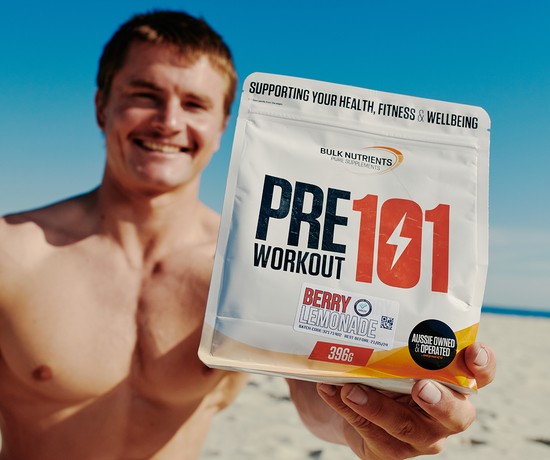

Pre Workout 101
$39.00
Pre Workout Non-Stim
$25.00
Creatine Monohydrate
$24.00